BRUTALIST
TEXTURED
PAINTINGS
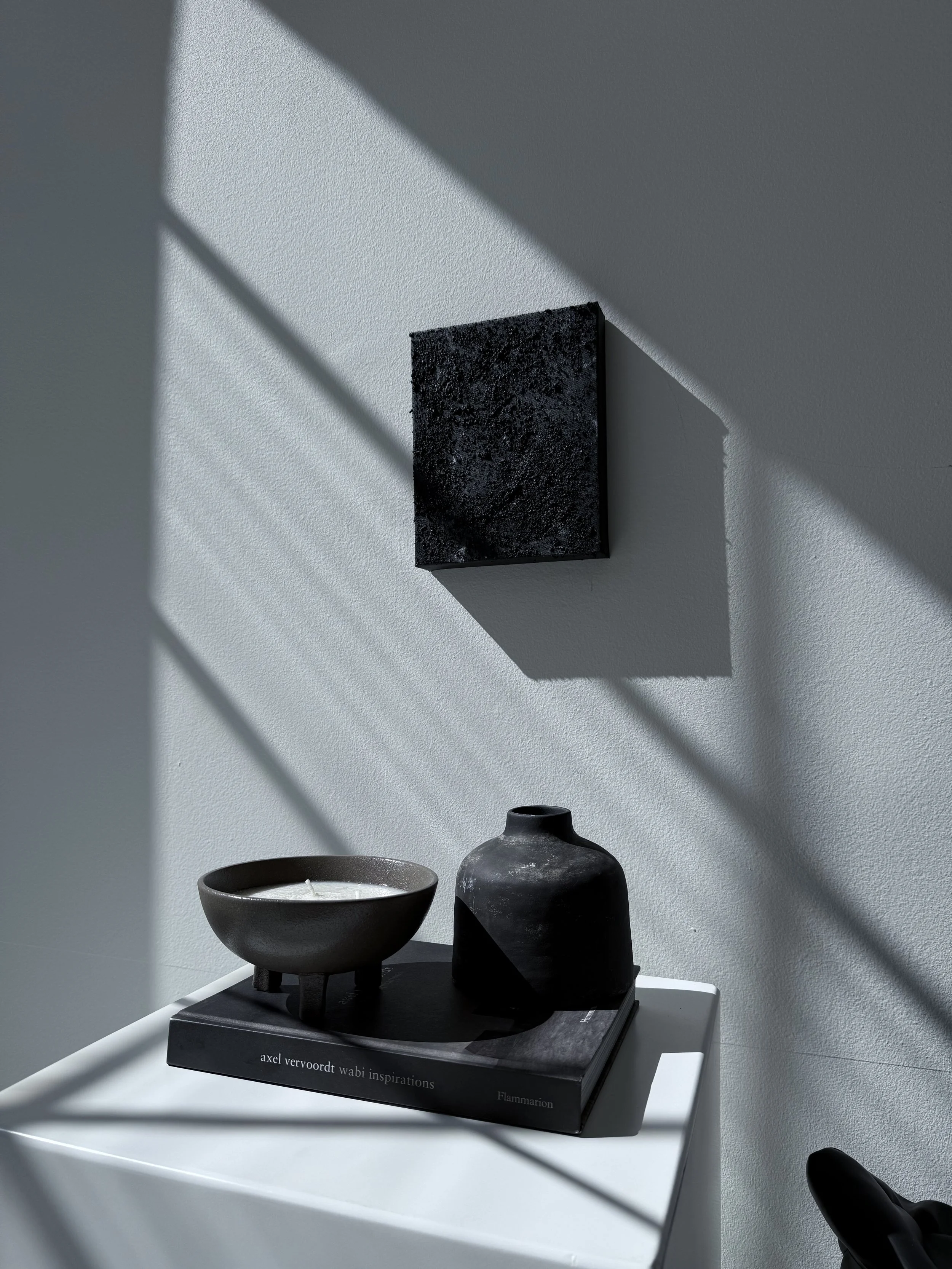
Brutalist Textured Paintings: Concrete, Monochrome & Materiality
Brutalist textured paintings explore the relationship between material, surface, and structure through heavily layered, monochromatic compositions. Combining concrete mix, cement-based materials, modeling paste, and unconventional substrates, the work moves beyond traditional painting to occupy a space between abstraction, relief, and sculptural form.
Working primarily with restrained palettes of black, white, grey, and muted neutrals, these compositions place texture at the center of the visual experience. Rather than depicting recognizable subjects, the paintings develop through physical material, accumulated layers, irregular surfaces, and the interaction of contrasting textures.
Concrete mix and cement introduce a distinctive physical presence to the canvas. Their weight, density, and capacity for fracture create surfaces that feel constructed rather than simply painted. Cracks, worn edges, uneven applications, and areas of exposed substrate contribute to an aesthetic that embraces imperfection and material transformation.
The resulting works often evoke the appearance of monoliths: solid, restrained forms that suggest permanence while revealing evidence of deterioration and change. Layered concrete surfaces can appear simultaneously architectural and organic, balancing structural weight with the unpredictability of materials as they settle, dry, and fracture.
Textured canvas becomes an important part of this process. Rather than functioning solely as a support for paint, the surface is transformed through the addition of concrete, plaster-like compounds, textiles, and other mixed-media elements. These materials create dimensional compositions that extend beyond the traditional boundaries of a flat painting.
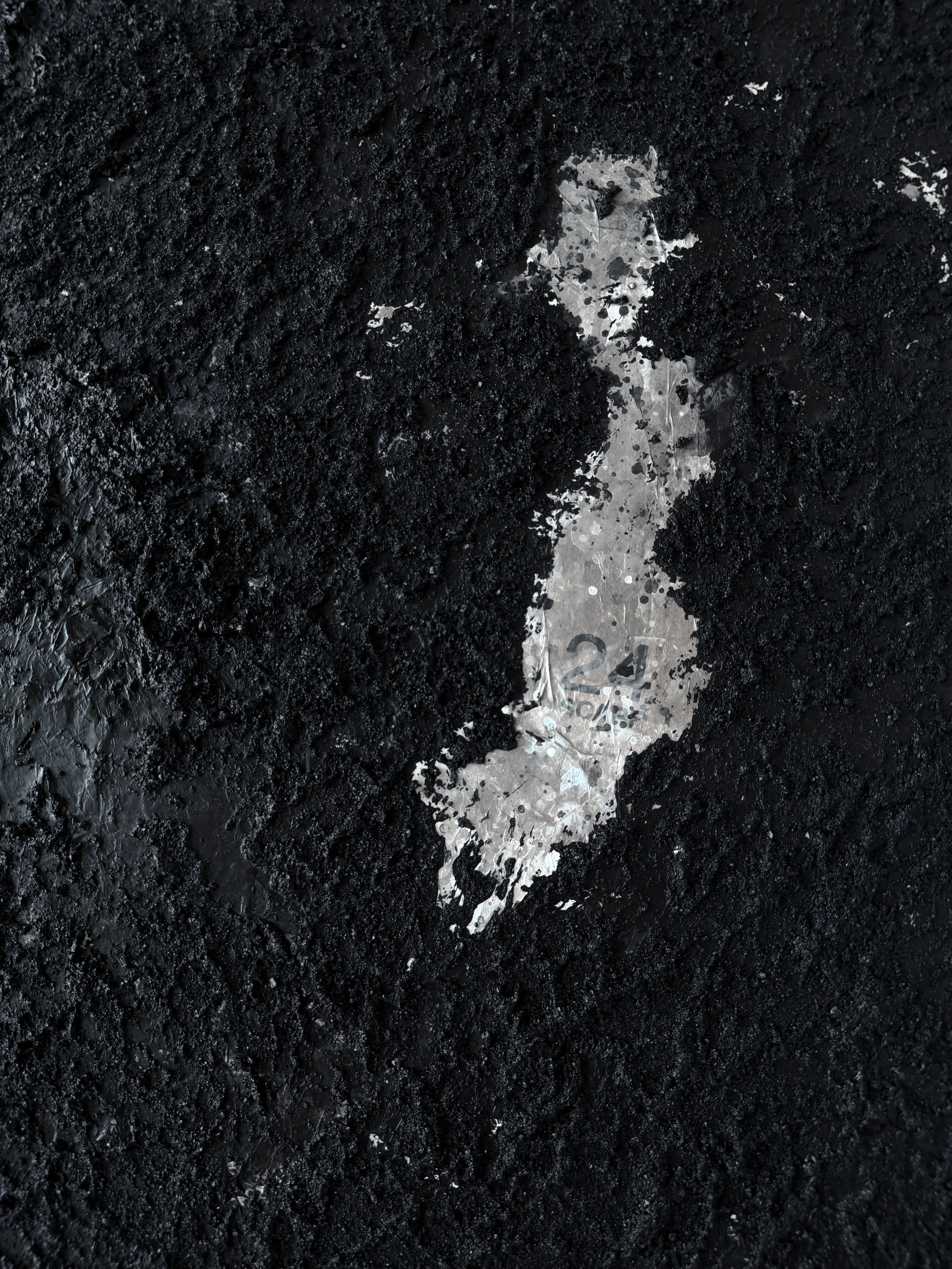
The monochromatic approach further emphasizes the physical qualities of each work. With color reduced to a limited range, subtle differences in tone, shadow, depth, and surface become more pronounced. Texture takes the place of conventional imagery, allowing the material itself to function as the primary subject.
The visual language of brutalist art provides a framework for this exploration, particularly in its relationship to mass, restraint, raw surfaces, and structural form. However, the paintings are not intended as representations of architecture. Instead, they translate an architectural sensibility into an independent practice of abstract, material-based art.
These brutalist textured paintings consider the relationship between permanence and erosion, construction and decay, concealment and exposure. Through concrete, cement, and layered mixed-media techniques, each composition becomes an exploration of material presence and the expressive possibilities of the textured surface.
Interested in your own unique brutalist art piece for your home, business or event? Contact Artefakt Studios for a commission or inquiry about available artwork.